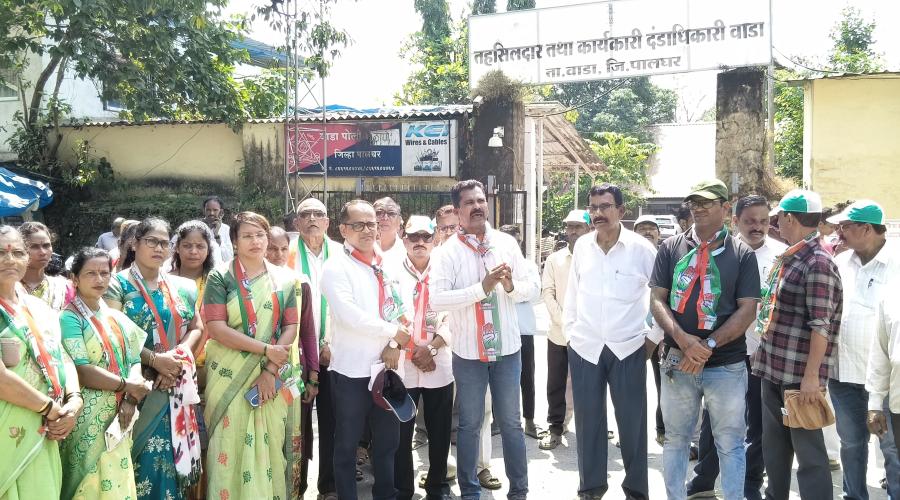
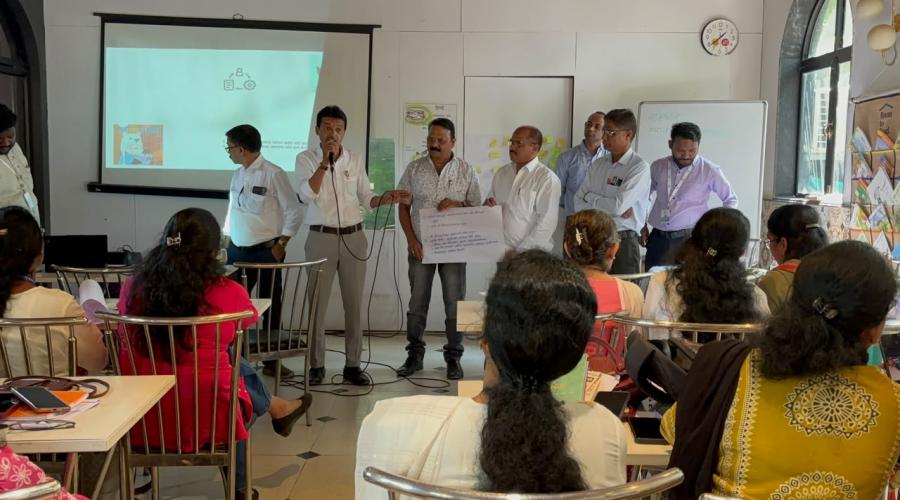
केंद्रातील मोदी सरकारच्या १२ वर्षाची चर्चा सुरू झाली आहे. पालकमंत्री गणेश नाईक यांनी पक्षाच्या वतीने हा लेखाजोखा पत्रकारांसमोर ठेवला. या चर्चेदरम्यान पालघर जिल्ह्याचे प्रश्नही समोर आले. त्याची समाधानकारक उत्तरे पालकमंत्री देऊ शकले नाही....
या निमित्ताने जिल्ह्यात विकासाचे चित्र काय राहिले याची चर्चा घडवून आणणारे नवयुग पालघर ०७-१४ जून अंकातील हे संपादकीय......
**बारा वर्षे मोदी सरकारची आणि बारा वर्षे पालघर जिल्ह्याची; हिशेब कोण देणार?**
मोदी सरकारच्या बारा वर्षांच्या निमित्ताने पालकमंत्री गणेश नाईक यांनी केंद्र सरकारच्या कारकीर्दीचा लेखाजोखा मांडला. १ ऑगस्ट २०१४ रोजी पालघर जिल्ह्याची निर्मिती झाली.त्यामुळे या बारा वर्षांतील जिल्ह्याच्या प्रवासाचाही आढावा क्रमप्राप्त आहे.मोदी सरकारचा लेखाजोखा मांडताना, पत्रकारांनी जिल्ह्यासंबंधात विचारलेल्या अनेक प्रश्नांना समाधानकारक उत्तरे देताना पालकमंत्र्यांना अडचणी येत असल्याचे दिसून आले.
पालघर जिल्ह्याची निर्मिती हे येथील ग्रामीण आणि आदिवासी जनतेचे अनेक वर्षांचे स्वप्न होते. स्वतंत्र जिल्हा झाल्यानंतर विकासाला गती मिळेल, प्रशासन लोकांपर्यंत पोहोचेल आणि मूलभूत प्रश्न सुटतील, अशी अपेक्षा होती. मात्र बारा वर्षांनंतरही वास्तव फारसे बदललेले दिसत नाही. तेच प्रश्न पुन्हा पुन्हा मांडणे आता खरे तर नकोसे झाले आहे.
२०१४ मध्ये पंतप्रधान नरेंद्र मोदी पालघरमध्ये आले असताना नव्याने जन्मलेल्या या जिल्ह्याला पाळण्यातला जिल्हा संबोधत त्याची जबाबदारी आपण घेत असल्याचे त्यांनी सांगितले होते. त्यानंतर ते वाढवण बंदराच्या भूमिपूजनाच्या निमित्ताने पुन्हा पालघरमध्ये आले. मात्र या प्रकल्पांमुळे बाधित होणारे मच्छीमार, शेतकरी, आदिवासी आणि स्थानिक नागरिक यांचा आक्रोश त्यांच्या कानापर्यंत पोहोचल्याचे दिसले नाही.किवा पाळण्यातले हे बाळ सुदृढ झाले आहे का याची त्यांनी विचारपूस केल्याचे ऐकू आले नाही.
गेल्या बारा वर्षांत जिल्ह्यावर विकास प्रकल्पांचा अक्षरश: मारा सुरु आहे. मुंबई-वडोदरा द्रुतगती महामार्ग, दिल्ली-मुंबई औद्योगिक कॉरिडॉर, मुंबई-अहमदाबाद बुलेट ट्रेन प्रकल्प, वाढवण बंदर, मुंबई-अहमदाबाद राष्ट्रीय महामार्ग विस्तार, नाशिकशी जोडणारे रस्ते, प्रस्तावित विमानतळ, रिलायन्सचा प्रकल्प, मुरबे बंदर आणि इतर अनेक प्रकल्पांच्या माध्यमातून पालघर जिल्ह्याचा चेहरामोहरा बदलण्याची घोषणा करण्यात आल्या आहेत. यासोबतच चौथी मुंबई उभारण्याचा संकल्पही मांडण्यात आला आहे.
मात्र पहिली, दुसरी आणि उभी राहत असलेली तिसरी मुंबई यांचे वास्तव पाहिल्यानंतर चौथी मुंबई उभी राहिल्यावर मूळ पालघर जिल्ह्याचे काय होईल, हा प्रश्न विचारण्यासाठी भविष्यवेत्त्याची गरज नाही. विकासाच्या नावाखाली स्थानिकांचे विस्थापन, पर्यावरणीय हानी आणि सांस्कृतिक अस्तित्वाचा प्रश्न अधिक गंभीर होत जाणार,हे नक्की.
आमचे पालकमंत्री हवामान बदलाबाबत सातत्याने बोलत असतात. मग जिल्ह्यात उभारलेल्या आणि उभारण्यात येणार्या प्रकल्पांचा पर्यावरणावर नेमका काय परिणाम झाला/होणार आहे याबाबतही त्यांनी स्पष्टपणे बोलायला हवे. किंबहुना यासंदर्भात श्वेतपत्रिका प्रसिद्ध करणे गरजेचे आहे. या प्रकल्पांसाठी किती डोंगर उखडण्यात आले, किती जंगल नष्ट झाले, वनजमिनी व खासगी जमिनींवरील किती झाडांची कत्तल झाली, किती कांदळवने नष्ट झाली आणि त्याच्या बदल्यात पर्यावरणीय भरपाई म्हणून काय मिळाले, याची उत्तरे जनतेला मिळायला हवीत.बिरसा मुंडा जयंतीच्या निमित्ताने जल, जंगल, जमीनचा उद्घोष थेट दिल्लीत केला जातो, हे स्वागतार्ह आहे. मात्र पालघर जिल्ह्यातील जल, जंगल आणि जमिनीचे प्रत्यक्षात काय झाले आहे, याचाही गांभीर्याने विचार व्हायला हवा.
वनहक्क कायद्याच्या अंमलबजावणीत जिल्हा राज्यात अग्रस्थानी असल्याचे सांगितले जाते. परंतु मार्क्सवादी कम्युनिस्ट पक्ष,कष्टकरी संघटना, आदिवासी एकता परिषद तसेच सरकारला पाठिंबा देणारी श्रमजीवी संघटना यांच्यासह विविध संघटना आजही वनहक्कांबाबत प्रश्न उपस्थित करत आहेत. मात्र त्याचे कायम स्वरुपी उत्तर शोधण्याचा प्रयत्न होत नाही.
जिल्ह्यात हजारो कोटी रुपयांचे प्रकल्प उभे राहत आहेत. मात्र पालघर जिल्हा रुग्णालयासाठी आणि मनोर येथील ट्रॉमा केअर सेंटरसाठी केंद्र व राज्य सरकारकडे निधीची कमतरता भासत आहे. परिणामी बारा वर्षांनंतरही नागरिकांना या सुविधांची प्रतीक्षा करावी लागत आहे.
जव्हार येथील उपजिल्हा रुग्णालयासाठी आवश्यक जमीन प्रशासन आणि सरकार अजूनही उपलब्ध करून देऊ शकलेले नाही. दुसरीकडे मात्र वर उलॢेख केलेल्या मोठ्या प्रकल्पांसाठी हजारो एकर जमीन अल्पावधीत संपादित करुन याच सरकार/प्रशासनाने आपली कार्यक्षमता दाखवली आहे. परवाच्या दौर्यात जिल्हाधिकार्यांच्या अजेंड्यावर हा विषय असल्याचे दिसले नाही. जव्हारप्रमाणेच इतर भागांतील अनेक सार्वजनिक प्रकल्प जमिनीअभावी रखडलेले आहेत.
अलीकडे जिल्हाधिकार्यांनी जव्हार आणि मोखाडा तालुक्यांचा दौरा केला. त्यांच्या प्रयत्नांचे स्वागत करायला हवे. मात्र दाभोसा परिसरात काचेच्या स्कायवॉकवरुन चालताना कोगदा-खैरमाळ या न जोडलेल्या गावांपर्यंत पोहोचण्यासाठी त्यांना चार किलोमीटर पायपीट करावी लागते,त्याच वेळी न जोडलेल्या गावांची यादी तयार करण्याचे आदेश त्यांना द्यावे लागतात. अशी यादी तयार करण्याची वेळ प्रशासनावर यापूर्वी कितीदा आली आहे, हा देखील प्रश्न आहे.प्रत्येक पावसाळ्यापूर्वी हीच चर्चा होते आणि पावसाळा संपल्यानंतर पुन्हा जैसे थे स्थिती.
दिल्ली-मुंबई मालवाहतूक रेल्वे कॉरिडॉरमुळे निर्माण झालेले प्रश्न पूर्णपणे सुटलेले नाहीत. या पावसाळ्यात मागील पावसाळ्याची पुनरावृत्ती होणार नाही असे ठामपणे कोणी सांगू शकणार नाही.सफाळे रेल्वे स्थानकाशी जोडलेल्या सुमारे पन्नास गावांतील नागरिकांना अद्याप पुरेसा दिलासा मिळालेला नाही. केळवे रोड परिसरातील ग्रामस्थांचीही अवस्था वेगळी नाही.
आदिवासी संस्कृतीचे जागतिक प्रतीक ठरलेल्या वारली कलेच्या संवर्धनासाठी कोट्यवधीवा खर्च करुन उभारण्यात येत असलेल्या (परंतू निधी अभावी रखडलेल्या?) वारली हाटचा जिल्ह्याच्या विद्यमान लोकप्रतिनिधींना पूर्णत: विसर पडलेला दिसतो.
बोईसर येथील रेल्वे फाटकाच्या जागी उड्डाणपूल उभारण्याचे नियोजन रखडले आहे. जिल्ह्यात पिंजाळ, गारगाई आदि धरणे उभारली जात असतना, त्या भागातील शेतकर्यांच्या सिंचनाचे व पिण्याच्या पाण्याचे काय याचे ठोस उत्तर मिळालेले नाही. सूर्या प्रकल्पाचा अनुभव पाहता तीच पुनरावृत्ती येथे होणार नाही, याची खात्री देता येत नाही.वांद्रीबाबतीतही हिच भीती आहे.या बाबतीत पत्रकारांना प्रश्न विचारण्याऐवजी पालकमंत्र्यांनी ग्रामस्थांना विश्वासात घेऊन आश्वस्त करायला हवे.जिल्हा निर्मितीवेळी सामाजिक न्याय भवन,आदिवासी भवन उभारण्यासह नाट्यगृहाचे आश्वासन दिले गेले.मात्र यासाठी आवश्यक जमिनीही उपलब्ध करुन दिलेल्या नाहीत.
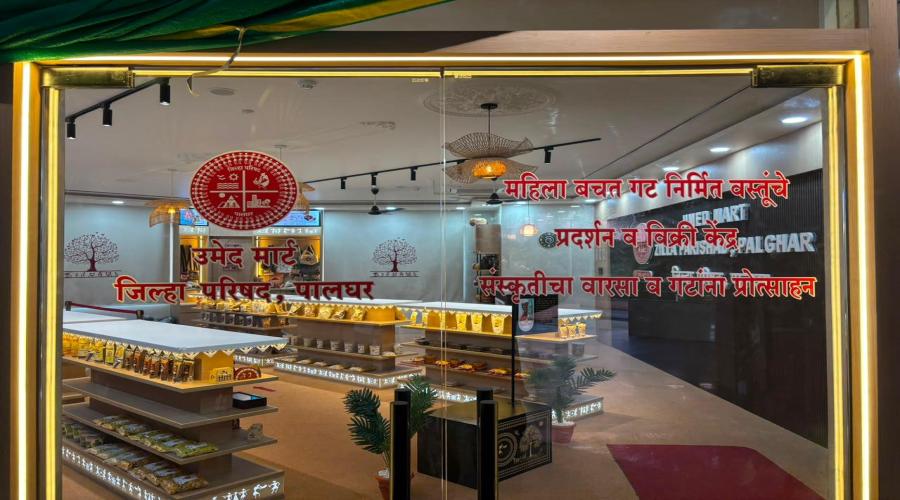
अर्थात, जिल्ह्यात काहीच काम झालेले नाही असे म्हणता येणार नाही. महिला बचत गटांच्या माध्यमातून अनेक उपक्रम राबविले जात आहेत.वैयक्तिक आणि सामूहिक लाभाच्या काही योजना लोकांपर्यंत पोहोचत आहेत. रस्ते-पूल बनत आहेत.मात्र हे प्रयत्न जिल्ह्याच्या एकूण गरजांच्या तुलनेत अपुरे आहेत.पश्चिमेकडिल तालुक्यांच्या तुलनेत पूर्वेकडिल तालुके मागे पडणार नाहीत,जिल्ह्यात असमतोल निर्माण होणार नाही,यासाठी जाणीवपूर्वक प्रयत्न व्हायला हवेत,असे काही होताना दिसत नाही.
दरम्यान, पत्रकारांनी समोर आणलेल्या माहितीनुसार वात्सल्य योजनेचा एकही लाभार्थी जिल्ह्यात आढळून आला नाही. लखपती दीदी योजनेच्या लाभार्थ्यांचा शोध घेताना विविध विभागांमध्ये हेलपाटे मारावे लागल्याचेही समोर आले. आहे.या पाश्र्वभूमीवर केंद्र व राज्य सरकारच्या गाजावाजा झालेल्या स्टार्टअप इंडिया, मेक इन इंडिया, प्रधानमंत्री जनधन योजना, पीएम विश्वकर्मा योजना, डिजिटल इंडिया, आत्मनिर्भर भारत, मुद्रा योजना आणि इतर योजनांचा जिल्हाचा लेखाजोखा जनतेसमोर येण्याची गरज आहे.
१२ वर्षाचे गोडवे गायले जात असताना सवलतीच्या दरातील गॅस सिलिंडर्सची संख्या १२ वरुन ९ व आता ४ वर आली आहे.नागरिकांना सोने खरेदी करु नका, परदेशात जाऊ नका, इंधन बचत करा म्हणून आवाहन केले जात आहे.यावरुन आर्थिक स्थिती गंभीर असल्याचे दिसून येते. मनरेगा योजनेवर काम करणार्या मजुरांची मजुरी ६-८ महिने थकूनही, त्याची कोणाला चिंता नसते.आदिवासी भागांतील कुपोषणाचा प्रश्न मिटलेला नाही. दुर्गम भागांतील आरोग्य सेवा आजही अपुर्या आहेत.
मोदी सरकारच्या १२ वर्षांच्या यशोगाथेसोबतच ही दुखरी, अस्वस्थ करणारी बाजूही आहे. विकासाच्या मोठ्या घोषणांबरोबरच जिल्ह्याच्या प्रश्नांचा आणि प्रलंबित आश्वासनांचा हिशोबही जनतेसमोर मांडला गेला पाहिजे. जिल्ह्याच्या १२ वर्षांच्या प्रवासाची खरी श्वेतपत्रिका हीच ठरेल !
Discussion around the 12 years of the Modi Government at the Centre has gained momentum. As part of this exercise, Guardian Minister Ganesh Naik presented the government's report card before the media on behalf of the party. During the interaction, several key issues concerning Palghar district were also raised. However, the minister failed to provide satisfactory answers to many of these questions.
This has once again brought the spotlight on an important issue: what has been the real development trajectory of Palghar district over the past 12 years? Has the district lived up to the expectations that accompanied its creation? What progress has been made in infrastructure, employment, education, healthcare, tribal welfare, and agriculture?
An editorial in the June 07–14 edition of Navyug Palghar attempts to initiate this much-needed discussion by taking a closer look at the district’s development record and the challenges that continue to persist.
Twelve Years of the Modi Government and Twelve Years of Palghar District; Who Will Present the Report Card?
On the occasion of twelve years of the Modi Government, Guardian Minister Ganesh Naik presented an account of the Central Government’s tenure. Palghar district was created on 1 August 2014. Therefore, a review of the district’s journey over these twelve years is equally warranted. While presenting the report card of the Modi Government, the Guardian Minister appeared to face difficulties in giving satisfactory answers to many questions raised by journalists regarding the district.
The creation of Palghar district was a long-cherished dream of the rural and tribal people of the region. It was expected that after becoming an independent district, development would accelerate, administration would become more accessible to the people, and basic issues would be resolved. However, even after twelve years, reality does not appear to have changed significantly. Repeating the same issues again and again has now become tiresome.
When Prime Minister Narendra Modi visited Palghar in 2014, he referred to the newly created district as a “district in a cradle” and stated that he was taking responsibility for it. Later, he visited Palghar again for the foundation ceremony of the Vadhvan Port project. However, the anguish of the fishermen, farmers, tribals, and local citizens who would be affected by these projects did not seem to reach his ears. Nor was it heard that he inquired whether this “baby in the cradle” had grown up healthy.
Over the last twelve years, the district has literally been subjected to a barrage of development projects. Through projects such as the Mumbai–Vadodara Expressway, the Delhi–Mumbai Industrial Corridor, the Mumbai–Ahmedabad Bullet Train Project, Vadhvan Port, the expansion of the Mumbai–Ahmedabad National Highway, roads connecting Nashik, the proposed airport, the Reliance project, Murbe Port, and several other projects, announcements have been made promising to transform the face of Palghar district. Alongside this, the vision of building a Fourth Mumbai has also been presented.
However, after witnessing the realities of the First Mumbai, the Second Mumbai, and the emerging Third Mumbai, one does not need a fortune teller to predict what will happen to the original Palghar district once the Fourth Mumbai is built. It is certain that in the name of development, the issues of displacement of local people, environmental damage, and the erosion of cultural identity will become even more serious.
Our Guardian Minister consistently speaks about climate change. Then he should also speak clearly about the exact impact that the projects established and being established in the district have had or will have on the environment. In fact, it is necessary to publish a white paper on this issue. The public deserves answers regarding how many hills have been excavated for these projects, how much forest has been destroyed, how many trees on forest land and private land have been cut down, how much mangrove cover has been destroyed, and what environmental compensation has been received in return. It is welcome that the slogan of “Water, Forest, Land” is raised directly in Delhi on the occasion of Birsa Munda Jayanti. However, serious consideration must also be given to what has actually happened to the water, forests, and land of Palghar district.
It is often claimed that the district is among the leading districts in the state in the implementation of the Forest Rights Act. However, organizations such as the Communist Party of India (Marxist), Kashtakari Sanghatana, Adivasi Ekta Parishad, as well as the Shramajeevi Sanghatana, which supports the government, continue to raise questions regarding forest rights. Yet no attempt is made to find a permanent solution.
Projects worth thousands of crores of rupees are being established in the district. Yet both the Central and State Governments appear to lack funds for the Palghar District Hospital and the Trauma Care Centre at Manor. As a result, even after twelve years, citizens continue to wait for these facilities.
The administration and government have still not been able to provide the required land for the sub-district hospital at Jawhar. On the other hand, the same government and administration have demonstrated their efficiency by acquiring thousands of acres of land for the large projects mentioned above within a short period. During the recent visit, this issue did not appear to be on the District Collector’s agenda. Like Jawhar, several public projects in other areas remain stalled due to the non-availability of land.
Recently, the District Collector visited the Jawhar and Mokhada talukas. Such efforts should be welcomed. However, while walking on the glass skywalk in the Dabhosa area, it becomes necessary for him to order the preparation of a list of villages that remain unconnected when reaching villages such as Kogda-Khairmal, which still require a four-kilometre walk to access. The question also arises as to how many times before the administration has been compelled to prepare such a list. The same discussion takes place before every monsoon, and after the monsoon ends, the situation returns to square one.
The problems created by the Delhi–Mumbai Freight Rail Corridor have not been fully resolved. No one can confidently say that the situation witnessed during the last monsoon will not be repeated this year. Citizens of around fifty villages connected to Safale railway station have still not received adequate relief. The condition of villagers in the Kelwe Road area is no different.
The present public representatives of the district appear to have completely forgotten the Warli Haat, which was being constructed at a cost of crores of rupees for the preservation of Warli art—a global symbol of tribal culture—but which has reportedly remained stalled due to lack of funds.
The planning for a flyover in place of the railway crossing at Boisar has been delayed. While dams such as Pinjal and Gargai are being constructed in the district, no clear answer has been provided regarding irrigation and drinking water for the farmers in those areas. Looking at the experience of the Surya project, there is no assurance that the same situation will not be repeated here. Similar fears exist regarding Vandri. Instead of questioning journalists on these issues, the Guardian Minister should take the villagers into confidence and reassure them. At the time of the district’s creation, promises were made to build a Social Justice Bhavan, an Adivasi Bhavan, and a theatre. However, even the necessary land for these facilities has not been made available.
Of course, it cannot be said that nothing has been done in the district. Many initiatives are being implemented through women’s self-help groups. Certain individual and collective benefit schemes are reaching people. Roads and bridges are being built. However, these efforts are inadequate in comparison to the district’s overall needs. There appears to be no conscious effort to ensure that the eastern talukas do not lag behind the western talukas and that regional imbalance does not emerge within the district.
Meanwhile, according to information brought forward by journalists, not a single beneficiary of the Vatsalya Scheme has been found in the district. It has also emerged that one has to run from department to department while trying to locate beneficiaries of the Lakhpati Didi Scheme. Against this backdrop, there is a need to place before the public a district-wise account of widely publicized Central and State Government schemes such as Startup India, Make in India, Pradhan Mantri Jan Dhan Yojana, PM Vishwakarma Yojana, Digital India, Atmanirbhar Bharat, Mudra Yojana, and others.
While praises are being sung for twelve years of governance, the number of subsidized LPG cylinders has come down from 12 to 9 and now to 4. Citizens are being urged not to buy gold, not to travel abroad, and to conserve fuel. This indicates that the economic situation is serious. Even when wages of labourers working under MGNREGA remain unpaid for six to eight months, there appears to be little concern. The issue of malnutrition in tribal areas remains unresolved. Health services in remote areas are still inadequate.
Alongside the success stories of the Modi Government’s twelve years, this painful and unsettling side also exists. Along with grand announcements of development, an account of the district’s problems and pending promises must also be presented before the people. Only then will there be a true white paper on the district’s twelve-year journey.